
Struggling with hip clicking or popping? Learn the causes and how hip physiotherapy and hip foundation training in Calgary can restore smooth, pain-free movement.
Explore our Exercise Physiology articles archive for expert insights on exercise science, performance optimization, training strategies, and more.
Whether you’re an athlete, coach, or simply interested in improving your fitness, our articles offer practical tips and the latest research to help you understand and apply exercise physiology principles for better results.
Struggling with hip clicking or popping? Learn the causes and how hip physiotherapy and hip foundation training in Calgary can restore smooth, pain-free movement.
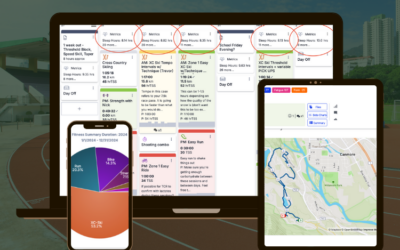
TrainingPeaks is one of the most valuable tech tools for endurance coaches and their athletes. With smart application, it extends far beyond just endurance – it’s been an integral part of my workflow for athletes in Ironman, 5k track, national team biathlon, and even non-endurance sports like bobsleigh and sprinting so that we can track away dates, plan strength days and sprinting days in a shared calendar, and so we can share feedback day to day and week to week on each workout (something an excel spreadsheet does not do well).
When it comes to your health, performance, or recovery, the question isn’t just “Am I doing enough?” — it’s “Am I doing what’s right for me?”
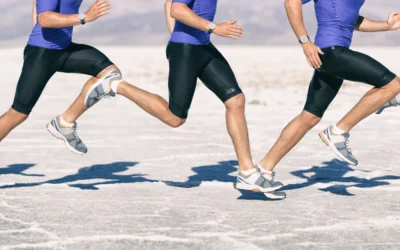
Is your running form holding you back? Gait analysis helps identify movement inefficiencies, muscle imbalances, and injury risks that can impact performance. Learn how assessing and optimizing your gait can improve stride mechanics, reduce pain, and keep you training consistently. Read on to see how small adjustments can lead to big performance gains.

A workout plateau happens when progress stalls despite consistent effort—whether in strength, endurance, or body composition. It’s frustrating, but hitting a workout plateau is also a normal part of training.
The good news? Hitting a plateau isn’t failure—it’s a chance to adjust and come back stronger. This guide will walk you through why it happens, and how to break past it with smart strategies like progressive overload, periodization, recovery, and coaching. Let’s get you back on track.

The off-season isn’t a break—it’s where the real work happens. Whether it’s dialing in your strength training, building an aerobic base, or finally tackling those nagging injuries, the off-season sets the tone for everything that follows. Treat it as an opportunity, not an afterthought, and you’ll step into race season with confidence, resilience, and a plan built for success. In this blog, we’ll discuss the importance of off-season training for endurance athletes and how to make it count!
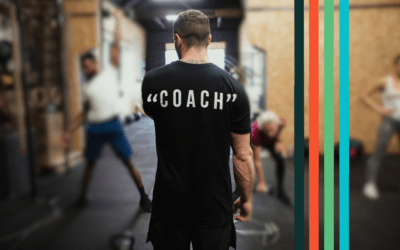
The world of fitness, rehabilitation, and performance training is vast, with many professionals offering their expertise to help individuals achieve their goals. From kinesiologists and athletic therapists to personal trainers and strength and conditioning coaches, each professional brings a unique skill set to the table. But with so many titles and certifications, it can be challenging to understand who does what and how they can help. Whether you’re recovering from an injury, training for a competition, or simply trying to get healthier, knowing the differences between these roles is essential. In this blog, we’ll break down the various types of trainers and coaches, outlining their certification pathways, scope of practice, work settings, and professional regulations to help you make an informed choice for your needs.
You’ve got an amazing coach, and an amazing program.. What could possibly go wrong? Unexpected delays in adaptations to training or even decrements in performance CAN occur for a variety of reasons – and despite excellent coaching and high-quality programming (i.e....
Strength training is often overlooked in endurance sports, and it’s easy to see why. Endurance sports already demand a huge time commitment. Take an Ironman triathlon, for example: a good finish time for this pinnacle event is around 12 hours, and the training leading up to it often involves 20 to 25 hours of effort per week. High-level running, swimming, and cycling are no different, with massive training volumes required to reach peak performance.
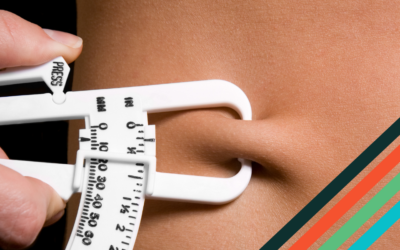
There are numerous ways to measure body composition, including, but not limited to, body mass index (BMI), underwater weighing, dual energy x-ray absorptiometry (DEXA), air-displacement plethysmography, skinfold calipers, or somatotyping. Where do skinfold calipers fit in in terms of accuracy and reliability?