This article focuses on measurable strength standards for runners, grounded in force-based testing and clinical patterns we see every week – and briefly touches on the movement standards that need to accompany those numbers.
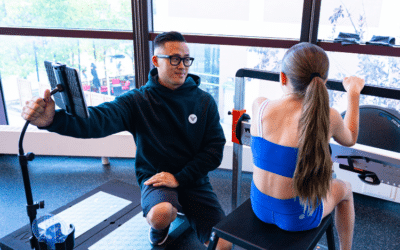
Browse our Injuries blog archive for real-world advice on preventing injuries, effective recovery methods, treatment options, and stories from clients who’ve been through it.
Whether you’re an athlete, a coach, or just looking to stay active and healthy, you’ll find practical tips and up-to-date information to help you manage and recover from injuries.
This article focuses on measurable strength standards for runners, grounded in force-based testing and clinical patterns we see every week – and briefly touches on the movement standards that need to accompany those numbers.
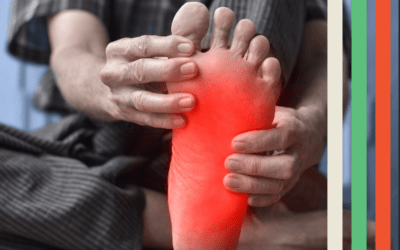
Foot arch pain can sideline even the most dedicated runners—but it doesn’t have to. Whether it’s plantar fasciitis, tight calves, or something more serious like a stress fracture, understanding the root cause is key. In this post, we break down the most common reasons for arch pain and what actually works to fix them—based on real cases and current research. If you’ve tried new shoes, rest, or orthotics without relief, this is for you.
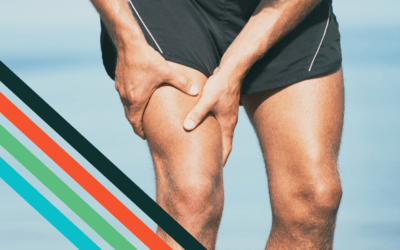
Running with sore muscles is a common dilemma for both seasoned and beginner runners. Should you push through the discomfort, or is rest the smarter choice?

Heel striking during running isn’t as bad as you’ve been told. Learn what science actually says about foot strike patterns, injury risk, and how to run efficiently—without obsessing over how your foot hits the ground.
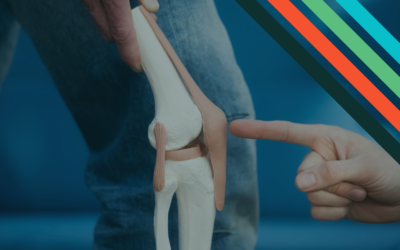
Tendons are the unsung heroes of movement, bridging the gap between muscle and bone to transfer force and power. Yet, they’re often misunderstood or overlooked until something goes wrong—whether it’s an annoying ache or a serious injury. If you’ve ever wondered why your tendons hurt, what they need to thrive, or how to prevent injuries in the first place, this article has you covered.

Recovering from a stroke can feel like navigating an entirely new world, especially for young, active individuals eager to reclaim their lives and return to sports or other activities they love. While stroke recovery often focuses on regaining strength and mobility, true progress lies in understanding the interplay between muscle activation, movement patterns, and skill relearning.
Many people experience “tight hip flexors” and associate it with stiffness or assume they simply haven’t been stretching enough. As a result, they may seek massages or visits to physical therapists to “loosen up” the area. However, these approaches often fail to address the deeper issue, leading to hip stiffness and tightness returning again and again.
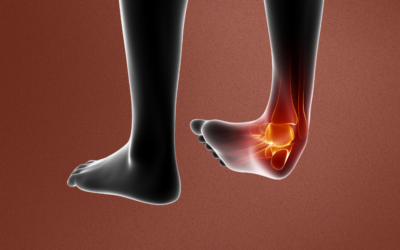
The foot and ankle are among the most common sites for both acute and chronic injuries in athletes and other physically active individuals. Although seldom life-threatening, they often have detrimental effects on sport activity and participation. When an injury to the foot or ankle occurs, athletes and individuals are limited in their abilities to walk, run, jump, kick, and simply get around without fearing another injury.

Wondering how much pain is normal to train through? Here we will lay out everything you need to know about training with shoulder pain.
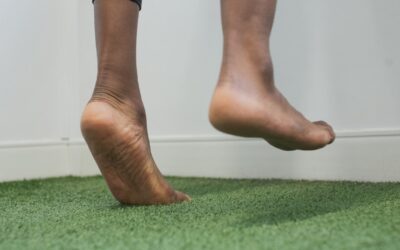
Discover the rising trend of Achilles ruptures among athletes, exploring causes like turf conditions and training loads. Learn key prevention strategies for strength and conditioning coaches to mitigate these injuries.