A Physiotherapist’s Take: How Hip Foundations Help a Clicking Hip

Vital Performance Care

Pain Flare-Ups Don't Mean You're Getting Worse

Introduction

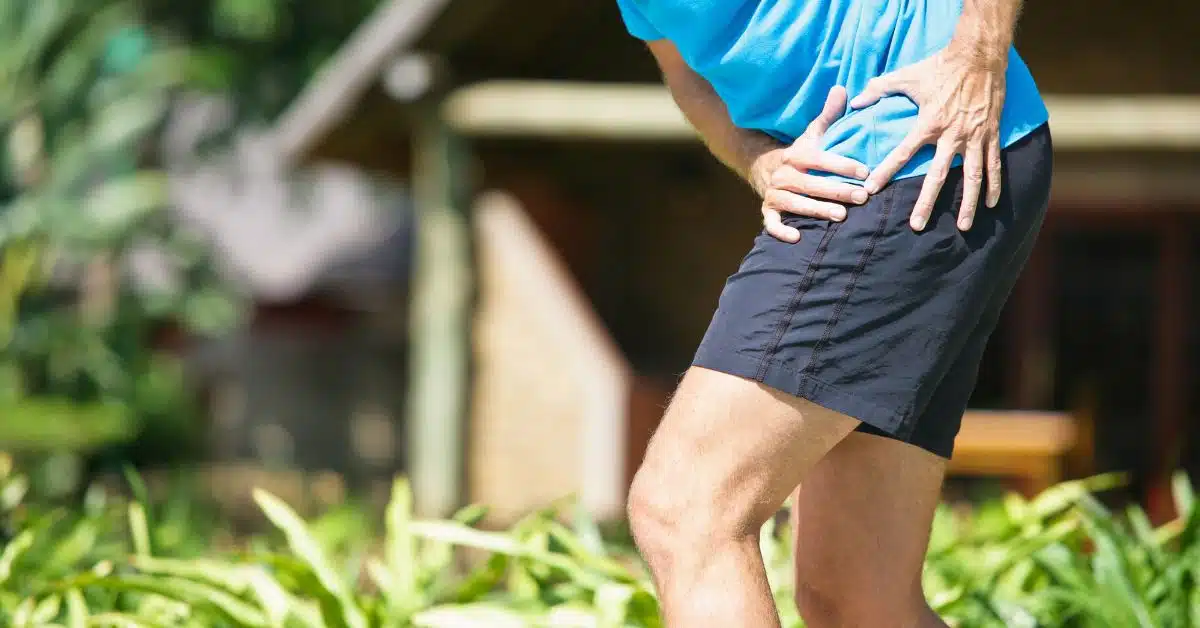
Have you ever been doing an exercise, taken a step, or heard that familiar click in your hip - only to wonder, “Should I be worried about this?” You’re not alone. Many Canadians experience hip clicking or popping during everyday movements like walking, squatting, or climbing stairs. 

According to a Canadian consensus statement from the Arthroscopy Association of Canada and the Canadian Academy of Sport & Exercise Medicine, issues like labral irritation and hip joint mechanics are common findings in patients reporting hip symptoms like clicking.

But here’s the encouraging part that click doesn’t have to be permanent. At Vital Performance Care in Calgary, we use a combination of either Physiotherapy, Hip Foundations, or both to help you understand why your hip is clicking and what you can do to fix it. Through targeted exercises, mobility work, and training for better symmetry, you can restore smooth, pain-free hip movement and finally stop wondering what’s going on with your body.

Ready to stop the clicking?
Book your hip assessment at Vital Performance Care and start moving with confidence again.

Why Does My Hip Click or Pop?

Hip clicking happens when tissues around your hip joint move or glide in ways that create an audible sound. Sometimes it's harmless; other times, it signals irritation or changes in how your hip is functioning. Understanding what causes that “click” can help you decide when it’s time to seek hip physiotherapy in Calgary.

Hip Joint Structure and Movement

Your hip is a ball-and-socket joint built for strength and motion. Because so many structures cross the joint, several of them can produce clicking when they’re tight, irritated, or not moving properly.

Key structures that commonly contribute to hip clicking include:

  • Labrum: The cartilage ring that deepens and stabilizes the socket. Irritation or small tears can create catching or clicking.
  • Muscles: Your glutes, hip flexors, and deep stabilizers guide hip movement. Imbalances between these groups often change how the hip tracks.
  • Tendons: The iliopsoas tendon (front) and IT band (outside) can snap over bony edges when tight or when your bone has an elevated surface that it catches on.
  • Bursae: Small sacs that reduce friction; when inflamed, they can increase clicking sensations.

When these tissues stop gliding smoothly, even simple movements like standing up or lifting your leg can produce a click.

Types of Hip Clicking and Snapping

Snapping hip syndrome includes several patterns of clicking based on where the sound comes from:

External snapping:
Occurs on the outside of the hip when the IT band or gluteus maximus slides over the greater trochanter. You may notice this during walking, running, or side-leg movements.

Internal snapping:
Happens at the front of the hip when the iliopsoas tendon snaps over internal bone structures. This is common when moving from sitting to standing or lifting your leg.

Intra-articular snapping:
Originates inside the joint and may be related to labral tears, cartilage changes, or joint irritation. This type is more likely to cause pain or a “catching” feeling.

Most snapping is painless, but when it isn’t, the underlying issue usually needs attention.

Common Causes of Hip Clicking

Hip clicking often comes down to how well your muscles and tendons are supporting the joint.

Sitting for long periods tightens the hip flexors, while weakened glutes stop stabilizing your pelvis and hip joint properly. When this imbalance develops, the hip joint loses its smooth, efficient movement pattern. This can result in compression in one area (ie, the front of the hip around the hip flexors), while there is a lack of tightness or pull in another area (ie, the glute). 

Other common contributors include:

  • Tight iliopsoas or IT band, causing tendons to jump over bony structures
  • Bursitis, which increases friction and irritation
  • Previous injuries, where scar tissue affects how tissues glide
  • Overuse from running or sports, which overloads the hip stabilizers

When your hip isn’t moving efficiently, clicking becomes much more likely.

Warning Signs and When to Seek Help

Most clicking is harmless, but it’s important to recognize red flags that indicate you should see a physiotherapist in Calgary:

  • Clicking that comes with pain or swelling
  • A sharp catching sensation, especially inside the joint
  • Clicking is becoming more frequent or louder
  • Reduced range of motion or stiffness
  • No improvement after 2-4 weeks of stretching or rest
  • Sudden clicking with pain after an injury

If you notice any of these symptoms, a professional assessment can help identify the root cause and prevent long-term issues like labral damage or chronic hip instability.
Hip Foundations

Physiotherapy and Hip Foundations Training for Hip Clicking

When your hip keeps clicking, the most effective solution is identifying why it’s happening. Physiotherapy and our Hip Foundations Program can target the underlying causes of muscle imbalances, mobility restrictions, and alignment issues - so your hip moves smoothly and stays stable long-term.

Assessment by a Physiotherapist

A proper assessment is a great first step toward stopping hip clicking or figuring out if it’s an issue that needs tackling. Your physiotherapist looks at how your entire body moves, not just the hip itself, because clicking often comes from movement patterns rather than one isolated structure.

During your assessment, your physiotherapist may:

  • Observe how you walk, squat, and stand
  • Test hip flexibility and mobility in multiple directions
  • Check glute and core strength
  • Assess posture and pelvic alignment
  • Evaluate joint stability and balance

If needed, they’ll perform special tests to determine whether your clicking is related to a labral issue, hip flexor irritation, or tendon snapping. They’ll also ask about your daily activities, sports, or gym routines to identify the movements most likely triggering your hip popping.

Select physiotherapists on our team are also certified to refer you for imaging if they feel it is needed and if treatment and exercise are not improving your condition. All of our chiropractors can refer for imaging if needed, and ours are unique as there is a lot of overlap between how they treat and how our physiotherapists treat!

Manual Therapy and Chiropractic

Manual therapy helps reduce tension, restore mobility, and prepare your hip for strengthening. Your physiotherapist uses hands-on techniques to release tight muscles, improve joint glide, and reduce mechanical irritation that leads to clicking.

Common techniques include:

  • Soft tissue release for tight hip flexors or IT band
  • Joint mobilization to improve the range of motion
  • Trigger point release for deep muscle tension
  • Guided stretching for shortened or stiff muscles

Chiropractic adjustments may also be used to improve pelvic and spinal alignment. When your pelvis is positioned correctly, your hip moves more efficiently - reducing friction and snapping sensations.

Manual therapy creates the foundation for strengthening work by allowing your hip to move the way it’s supposed to.

Targeted Strengthening and Mobility Exercises

Hip clicking often happens because certain muscles - especially the glutes - aren’t doing their job well enough. Physiotherapy focuses on strengthening these muscles so your hip joint stays supported and stable.

Helpful strengthening exercises may include:

  • Clamshells or Scissor Slides to build hip stability
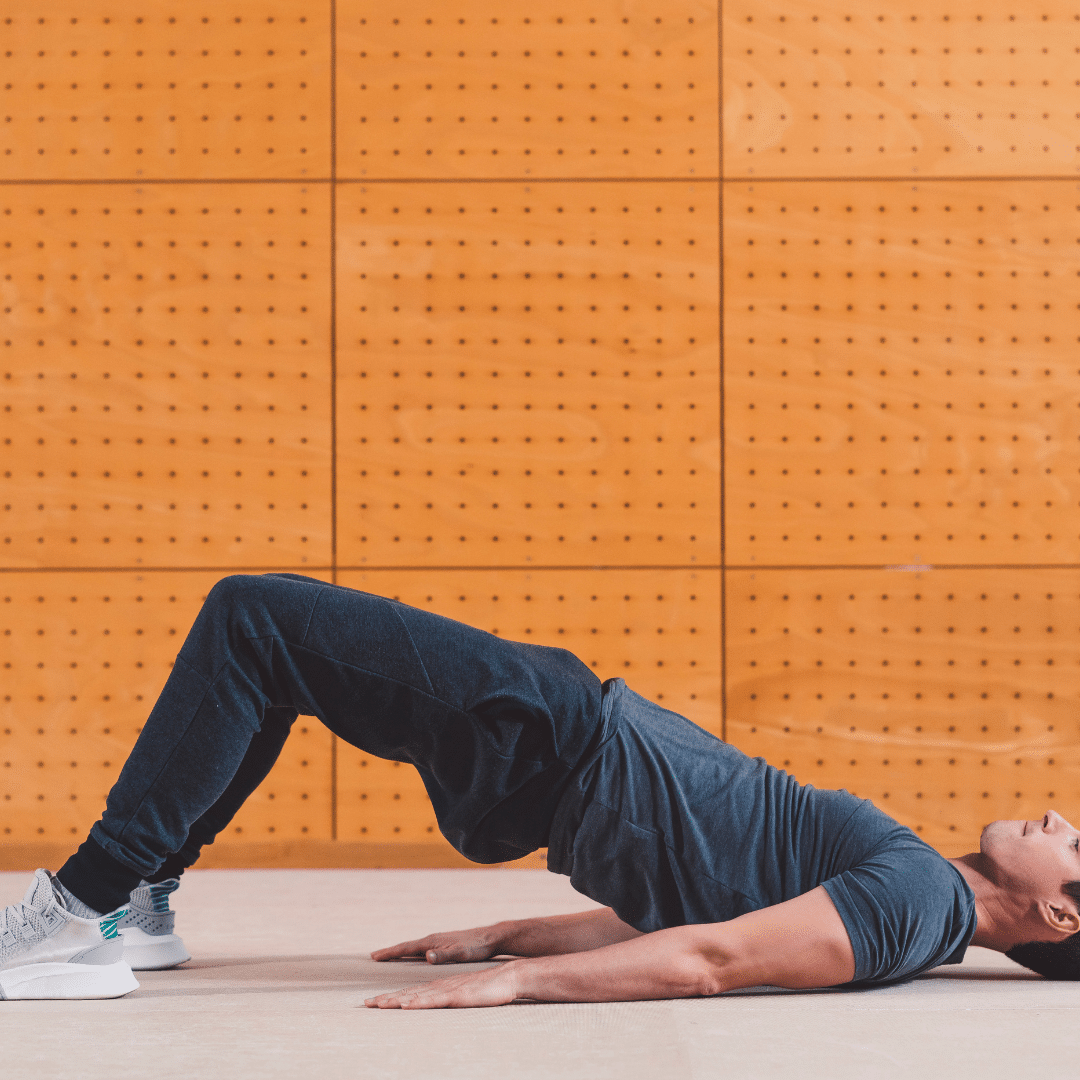
  • Glute bridges or Hip Thrusts for glute activation
  • Side-lying leg lifts or Side Planks for hip abductors
  • Single-leg balance work to improve control

Mobility is equally important. Tight hip flexors and restricted joint motion can pull your hip out of alignment, making clicking more frequent. Your physiotherapist will guide you through safe mobility exercises that restore smooth movement and reduce friction.

You’ll learn proper technique for each exercise - because doing them incorrectly can make the clicking worse instead of better. Progression is gradual, allowing your muscles time to adapt.

Preventing Recurrence Through Hip Foundation Training

Our Hip Foundations Training Program can help the clicking from coming back. This long-term approach focuses on consistent strengthening, alignment, and movement retraining.

Key elements include:

  • Glute activation
  • Posture and pelvic awareness
  • Correct movement patterns during daily tasks
  • Regular mobility work to prevent tightness
  • Working through rotational ranges and not just flexion and extension like a robot

Your physiotherapist will build a program you can follow at home, emphasizing consistency over intensity. Simple adjustments - like improving how you sit, climb stairs, or squat - can dramatically reduce stress on the hip joint.

Ongoing check-ins ensure your program keeps progressing with your strength, mobility, and goals. Over time, hip foundation training gives you a stable, well-aligned hip that moves quietly and comfortably.

Get Your Hip Moving Smoothly Again

Hip clicking may seem harmless, but it often signals muscle imbalances or movement patterns your body can’t correct on its own. With proper assessment, hands-on treatment, and hip foundation training, you can restore smooth, quiet, confident movement - and prevent the clicking from coming back.

If your hip keeps popping or clicking, don’t wait for it to get worse. Book an appointment at Vital Performance Care in Calgary and get personalized hip physiotherapy that targets the root cause and gets you moving comfortably again.

Book Now

Introduction

"Oh, it's just part of getting older."

Cool, cool, cool. Except your shoulder used to work fine. You used to jump out of bed. You weren't rehabbing a new injury every other week. So no, this isn't just a normal part of aging, and it doesn't have to be something you just accept.

There's actually a clinical name for it: the musculoskeletal syndrome of menopause. It's our understanding of how the hormonal changes of perimenopause and menopause affect the musculoskeletal system, and how hormone therapy can be used to help treat these symptoms as part of a holistic approach to rehabilitation.

The same hormonal changes that cause our hot flashes, disrupted sleep, and make us not feel like ourselves are also directly impacting the tissue that lets you move: how your muscles repair themselves, how your joints handle load, how your tendons hold up over time, and how your bones maintain their density and strength.

This article breaks down what's actually happening in your body during perimenopause and menopause, why declining estrogen hits your musculoskeletal system so hard, and how a collaborative approach between hormone therapy and rehabilitation can improve your quality of life.

Not sure if hormones are behind your aches and pains?

A hormonal health consult with Pause Health can tell you whether hormonal changes may be part of the picture, and whether hormone therapy is appropriate for you. A movement assessment with Vital Performance Care tells you what's actually happening with your strength, mobility, and joints. The real answer often needs both.

Book a Hormone Consult with Pause Health

Book a Clinical Musculoskeletal Assessment with a Chiropractor or Physiotherapist at Vital Performance Care


What Is the Musculoskeletal Syndrome of Menopause?

The term was formally introduced in 2024 by orthopedic surgeon Dr. Vonda Wright and colleagues, in a review published in the journal Climacteric (Wright et al., 2024). It covers the cluster of musculoskeletal symptoms that show up as estrogen declines during perimenopause and menopause:

5 common symptoms of menopause

"Common doesn't mean normal, and it doesn't mean untreatable."


Why This Gets Missed

40% of women menopause

Imaging isn't always helpful here, and a normal scan doesn't mean nothing's wrong. It usually means a single joint in isolation isn't the whole story.

If you're in midlife dealing with shoulder pain, recurring tendon issues, stiffness, or a real drop in strength, the useful question isn't just "what's wrong with this joint." It's what else has changed:

menopause checklist


All of it can be part of the same picture, and all of it is worth bringing up with your provider.

It's Not Only a Post-Menopause Problem

These changes often don't wait for your final period to show up. For a lot of women, this starts in perimenopause, while hormones are still fluctuating rather than non-existent. New stiffness, more frequent tendon flare-ups, muscle that's harder to maintain, an injury that seems to have come out of nowhere — these can all start years before menopause or the one-year anniversary of your last menstrual period.

menopause symptoms

That doesn't automatically mean hormones are the cause, but when it's happening alongside other perimenopause symptoms, it is worth considering the connection. Waiting until you're fully postmenopausal to start paying attention also means missing a window where building strength and addressing risk factors is a lot easier than trying to recover ground later.

How Estrogen, Progesterone, and Testosterone Affect Your Joints, Muscles, and Bones

Your musculoskeletal system is more hormone-sensitive than most people realize. Estrogen, progesterone, and testosterone receptors exist throughout your muscles, tendons, ligaments, cartilage, and bone. When those hormone levels shift, so does the health of every one of those tissues.

menopause list


Estrogen: The Primary Driver

Estrogen plays several distinct roles that matter for your joints and muscles:

1) Muscle repair and growth.

Estrogen supports the satellite cells responsible for repairing and building skeletal muscle. As estrogen declines, muscle protein synthesis becomes less efficient, contributing to the accelerated loss of muscle mass and strength seen after menopause (Critchlow et al., 2023; Hansen, 2018).

2) Inflammation control.

Estrogen has anti-inflammatory effects on muscle and connective tissue. Lower estrogen is associated with higher baseline inflammation, which can show up as generalized aches, tendon irritation, and slower recovery from exercise.

3) Bone density.

Estrogen slows the rate of bone breakdown. Its decline is the single biggest driver of the rapid bone loss that happens around the final menstrual period, which is why osteoporosis risk climbs so sharply in this window (Karlamangla et al., 2021).

4) Collagen and connective tissue.

Estrogen supports collagen production in tendons, ligaments, and cartilage. Research measuring tendon tissue directly has found that postmenopausal women on estrogen therapy have higher tendon collagen synthesis rates than those who aren't (Hansen, 2018), meaning their tendons are literally better equipped for ongoing repair. This is part of why frozen shoulder and tendon injuries become more common in this stage.

Progesterone: An Underexplored but Meaningful Role

Progesterone gets far less research attention than estrogen when it comes to musculoskeletal health, but it isn't inactive. It has a calming effect on the nervous system that influences sleep quality and pain perception, and both poor sleep and heightened pain sensitivity make other MSK symptoms feel worse. That alone makes progesterone relevant to how you feel day to day.

There's also emerging research on progesterone's more direct role in connective tissue. Progesterone receptors have been identified in tendon tissue, and some research suggests progesterone may support collagen synthesis rates in muscle in postmenopausal women (Hansen, 2018). At the same time, animal studies have shown progesterone can increase the expression of relaxin receptors in ligaments and tendons, which theoretically could make tissue more responsive to joint-loosening effects, though this evidence is largely limited to rodent models rather than human studies. Put simply, the current research suggests progesterone has a mixed, tissue-dependent effect, and the science is still catching up to what's seen clinically.

What is well established is that progesterone works alongside estrogen rather than independently, and has anti-inflammatory properties of its own. So as progesterone declines during perimenopause, you're losing more than estrogen's protective effects — you're also losing progesterone's contribution to sleep, pain modulation, and inflammation control.

Testosterone: Relevant Beyond Libido

Testosterone is routinely mislabeled as a "male hormone," but women produce it throughout their lives and actually have more testosterone than estrogen, with levels declining gradually with age, often starting well before menopause itself.

Its best-established, evidence-based clinical use in women remains the treatment of low sexual desire (Davis et al., 2019). But that's not the whole picture. A 2023 systematic review of observational studies examining endogenous testosterone levels found associations between testosterone concentrations and muscle mass, strength, and physical performance in women (Taylor et al., 2023) — an area of research that has historically been underexplored. Testosterone contributes to muscle protein synthesis and strength, plus it's a motivation hormone, motivation to get up and go, to move, all of which are directly relevant to musculoskeletal health.

"If training effort has stayed consistent but the results haven't, testosterone is worth discussing with your provider — not just in the context of libido, but in the context of strength and function."

What You Can Actually Do About It: Hormone Testing, Physiotherapy, and Strength Training in Calgary

The musculoskeletal syndrome of menopause is treatable, and a lot of it is preventable with early intervention. Managing it well usually comes down to two things working together: an accurate picture of your hormones, and a training approach suited to this new hormonal environment.

Start With a Hormone Consultation

A hormone consult can help put your symptoms and hormonal changes into context, including whether testing for estrogen, progesterone, and testosterone is appropriate for you. From there, your care team can use your symptoms, clinical history, and, when appropriate, lab results to guide treatment as you move through perimenopause and into postmenopause.

For women who are good candidates, current clinical guidance supports hormone therapy as a favourable option: for those under 60 or within 10 years of their final period, the benefit-risk balance generally favours symptom relief and bone protection (NAMS 2022 Hormone Therapy Position Statement Advisory Panel, 2022). However, if you are outside of that window, that doesn't necessarily mean you cannot safely take hormone therapy. This is where an individualized consultation is important, to help you understand your unique risk and benefit profile and determine whether hormone therapy is right for you.

Then Build a Body That Can Handle the Transition

Resistance training is one of the most effective tools available here. A 2024 systematic review and meta-analysis found consistent benefits of resistance training on strength, body composition, and physical function in healthy postmenopausal women (González-Gálvez et al., 2024). Strength training does what hormones alone can't:

menopause hormones


Working with a physiotherapist, chiropractor, or strength coach who understands hormone-related musculoskeletal changes makes a real difference here. A generic program built for a 25-year-old's physiology isn't the right fit for a 48-year-old whose estrogen has dropped 40% in two years. Structured, joint-specific rehab — like shoulder, hip, or foot foundation programs — can be especially useful if you're already managing pain or an old injury and need to rebuild strength without aggravating it.

A Team Approach Works Best

Hormone health and musculoskeletal health aren't separate problems; they're the same problem viewed from two angles. That's the premise behind the partnership between Pause Health and Vital Performance Care: Pause Health handles the hormone side — testing, interpretation, and treatment where appropriate — while Vital Performance Care's physiotherapists, chiropractors, and strength coaches handle the movement side, building a program suited to what your body actually needs.

menopause graph


Conclusion

Joint pain, stiffness, muscle loss, and tendon injuries in your 40s and 50s are common. Common doesn't mean normal, and it doesn't mean untreatable. The musculoskeletal syndrome of menopause has a strong hormonal component, and understanding your estrogen, progesterone, and testosterone levels is often a key piece in explaining these changes. Paired with the right strength and rehab program, this is one of the more addressable parts of the menopause transition.

If you're in Calgary and dealing with new aches, stiffness, or strength loss that started around perimenopause, it's worth investigating rather than waiting. Get your hormones tested, get assessed, and build a plan suited to where your body actually is.

Book a Hormone Consult with Pause Health

Book a Clinical Musculoskeletal Assessment with a Chiropractor or Physiotherapist at Vital Performance Care

About the Author

Shelby Sheppard, BN, MN, FNP-C

Shelby Sheppard, BN, MN, FNP-C, is a Nurse Practitioner and the founder of Pause Health (pausehealth.ca), a virtual hormone and sexual health clinic based in Calgary, Alberta. Her practice focuses on hormone health, sexual medicine, and evidence-based menopause care.

Shelby is a community partner of Vital Performance Care, and the practitioners at Vital refer to and rely on Shelby to co-manage complex client cases with.


Pause Health and Menopause Syndrome


References

Critchlow, A. J., Hiam, D., Williams, R., Scott, D., & Lamon, S. (2023). The role of estrogen in female skeletal muscle aging: A systematic review. Maturitas, 178, 107844. https://doi.org/10.1016/j.maturitas.2023.107844

Davis, S. R., Baber, R., Panay, N., Bitzer, J., Cerdas Perez, S., Islam, R. M., Kaunitz, A. M., Kingsberg, S. A., Lambrinoudaki, I., Liu, J., Parish, S. J., Pinkerton, J., Rymer, J., Simon, J. A., Vignozzi, L., & Wierman, M. E. (2019). Global consensus position statement on the use of testosterone therapy for women. Climacteric: The Journal of the International Menopause Society, 22(5), 429–434. https://doi.org/10.1080/13697137.2019.1637079

González-Gálvez, N., Moreno-Torres, J. M., & Vaquero-Cristóbal, R. (2024). Resistance training effects on healthy postmenopausal women: A systematic review with meta-analysis. Climacteric: The Journal of the International Menopause Society, 27(3), 296–304. https://doi.org/10.1080/13697137.2024.2310521

Hansen, M. (2018). Female hormones: Do they influence muscle and tendon protein metabolism? The Proceedings of the Nutrition Society, 77(1), 32–41. https://doi.org/10.1017/S0029665117001951

Karlamangla, A. S., Shieh, A., & Greendale, G. A. (2021). Hormones and bone loss across the menopause transition. Vitamins and Hormones, 115, 401–417. https://doi.org/10.1016/bs.vh.2020.12.016

NAMS 2022 Hormone Therapy Position Statement Advisory Panel. (2022). The 2022 hormone therapy position statement of The North American Menopause Society. Menopause, 29(7), 767–794. https://doi.org/10.1097/GME.0000000000002028

Taylor, S., Islam, R. M., Bell, R. J., Hemachandra, C., & Davis, S. R. (2023). Endogenous testosterone concentrations and muscle mass, strength and performance in women, a systematic review of observational studies. Clinical Endocrinology, 98(4), 587–602. https://doi.org/10.1111/cen.14874

Tehalia, M. K., Agarwal, S., Lalwani, A., & Sharma, S. (2026). Estrogen deficiency in menopause: A major contributor to cartilage degeneration and osteoarthritis: A systematic review and meta-analysis. Journal of Menopausal Medicine, 32(1), 18–29. https://doi.org/10.6118/jmm.25141

Wright, V. J., Schwartzman, J. D., Itinoche, R., & Wittstein, J. (2024). The musculoskeletal syndrome of menopause. Climacteric, 27(5), 466–472. https://doi.org/10.1080/13697137.2024.2380363