
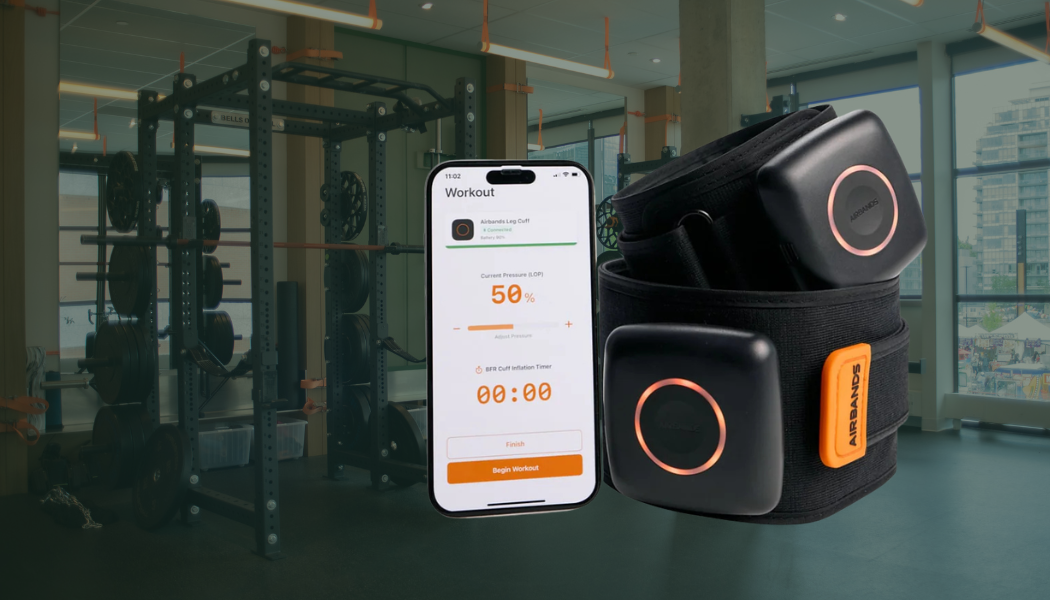
Blood flow restriction training is one of the most underused tools in rehabilitation and performance - and now Calgary athletes and rehab clients can rent BFR cuffs directly through Vital Performance Care.
Whether you're recovering from surgery, rehabbing a tendon injury, or looking to build strength with less joint load, BFR might be exactly what's missing from your program. Here's what Calgary residents need to know.
What Is BFR Training?
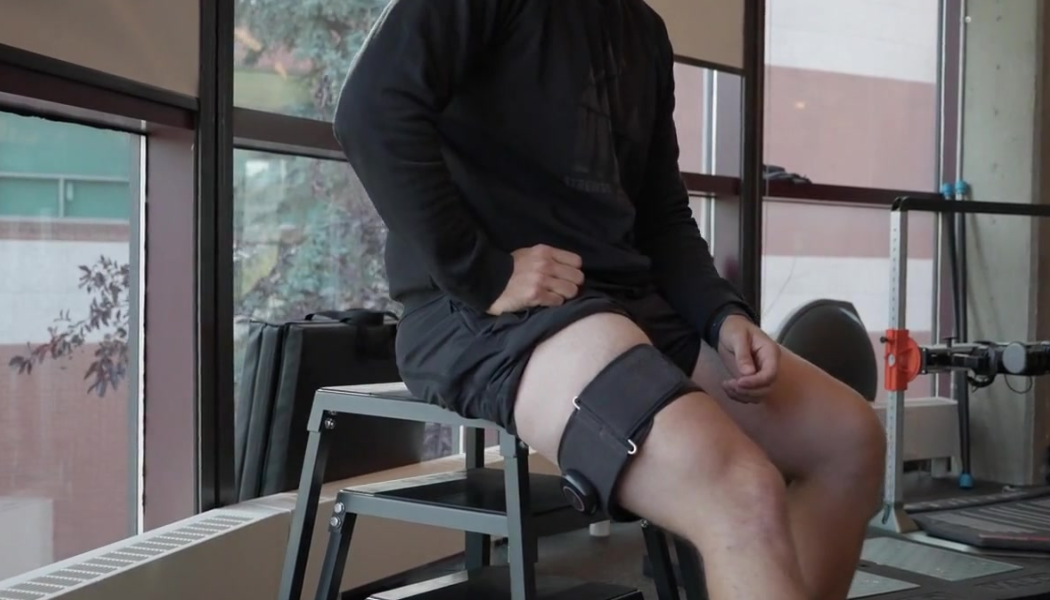
Blood flow restriction (BFR) training involves applying an inflatable cuff to the upper arm or upper thigh to partially restrict venous blood flow (blood leaving the muscle) while keeping arterial flow (blood entering) intact. The result is that your muscles work harder at much lower loads than traditional resistance training requires.
That's actually not a gimmick - it's well-supported science. BFR has been shown to produce meaningful muscle hypertrophy and strength gains at loads as low as 20–30% of your one-rep max, compared to the 70%+ typically needed with conventional training.
What Is BFR Commonly Used For?
BFR isn't just for one type of person. Calgary clients use it across a wide range of clinical and performance contexts:
- Post-surgical rehabilitation — After procedures like ACL reconstruction, rotator cuff repair, or joint replacement, loading capacity is severely limited. BFR allows meaningful muscle stimulus without compressive joint stress.
- Tendon rehabilitation — Conditions like patellar tendinopathy, Achilles tendinopathy, and lateral epicondylitis respond well to BFR because the low-load approach reduces aggravation while still driving tissue adaptation.
- Muscle atrophy prevention — Injury or immobilization causes rapid muscle loss. BFR slows or reverses that process even when heavy loading isn't possible.
- Older adults and aging populations — BFR offers a joint-friendly way to maintain or rebuild muscle mass and strength without the joint stress of heavy lifting.
- Athletes returning to sport — Bridging the gap between rehab and full performance training. Calgary has no shortage of competitive athletes who need exactly this.
- Hypertrophy with lower fatigue — For performance athletes who want additional training volume without accumulating excessive systemic fatigue.
The Risks of BFR — What You Should Know
BFR is safe when used correctly, but it's not without risk - which is exactly why we don't recommend DIY-ing it without guidance from a qualified Calgary physiotherapist or chiropractor.
Potential risks include:
- Delayed onset muscle soreness (DOMS) — More pronounced than typical training, especially for beginners.
- Temporary nerve discomfort or numbness — Usually from incorrect cuff placement or excessive pressure.
- Lightheadedness or dizziness — More common in those who are deconditioned or training in heat.
- Petechiae (small skin bruising) — Minor and superficial, but can occur with improper cuff fit.
- Contraindications — BFR is not appropriate for everyone. Those with a history of deep vein thrombosis (DVT), clotting disorders, peripheral vascular disease, open wounds near the cuff site, or certain cardiovascular conditions should not use BFR without direct medical clearance.
Not sure if BFR is right for you? Book an assessment with one of our Calgary physiotherapists or chiropractors at Vital Performance Care. They'll review your history, assess your current capacity, and make a clinical recommendation — including whether BFR training is appropriate and at what parameters.
BFR Cuff Rentals in Calgary — Vital Performance Care
If you've been searching for BFR cuff rental in Calgary, you've found it. We know that purchasing professional-grade BFR cuffs outright isn't always practical, which is why we offer BFR cuff rentals at $20 per week - subject to availability in your size.
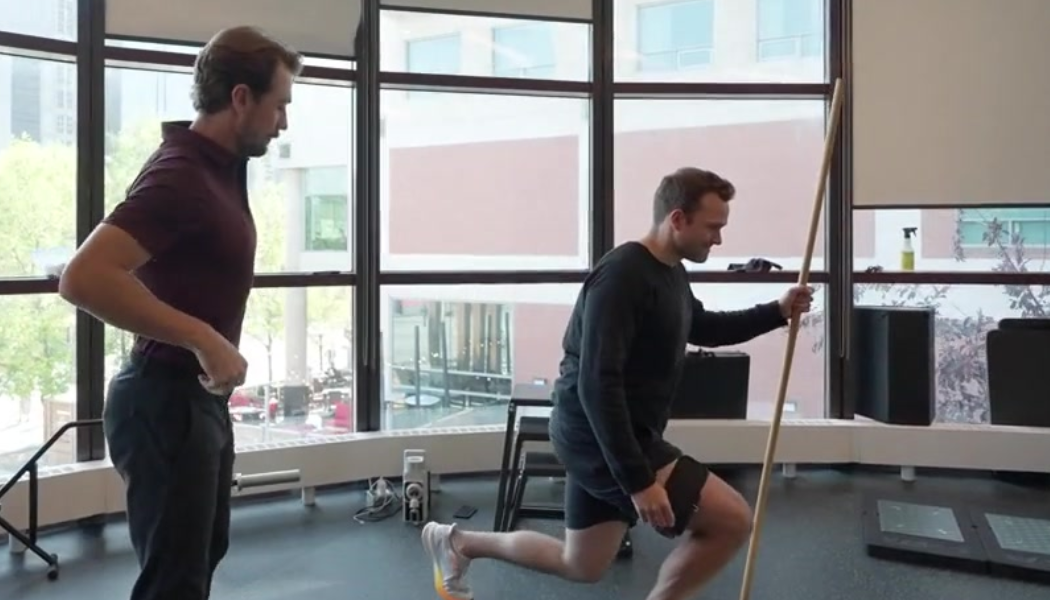
Our cuffs are clinical-grade and sized appropriately for upper and lower limb use. Your Calgary physiotherapist or chiropractor at Vital will walk you through proper placement, pressure settings, and protocol so you can use them safely and effectively at home between sessions.
How Calgary BFR cuff rental works:
- Book an assessment with a Vital Calgary physiotherapist or chiropractor to confirm BFR is appropriate for your situation and get set up with the right protocol.
- Check availability — we'll confirm whether we have a cuff in your size.
- Sign a rental agreement with Vital before taking the cuffs home. The $20/week rate applies until the cuffs are returned.
- Damage deposit — a deposit may be required for cuffs not returned within the agreed timeframe.
We're located in the heart of downtown Calgary inside the Eau Claire Athletic Club, 101 3 St SW #210. You can book online at vitalperformancecare.com or give us a call at (587) 834-2001.
Ready to Get Started with BFR in Calgary?
If you're curious about BFR training - whether for rehab, performance, or longevity - the best first step is a conversation with one of our Calgary practitioners. They'll help you understand whether it fits your goals and get you set up safely.
Who To Book With For BFR Training In Calgary
Not sure who to see about blood flow restriction training? Here's the practitioner on our Calgary team who works with BFR day to day and can assess whether it's appropriate for you, set your pressures, and build it into your rehab or training plan.


More About The Author
Carla Robbins, Co-Founder of Vital Performance Care
Carla's journey into the world of endurance training, strength and conditioning, and exercise physiology began with her Undergraduate Degree in Exercise Physiology at the University of Calgary and continued into her graduation with a Master's in Exercise Physiology in 2016. Between working for the Canadian Sports Institute to the creation of her company Vital Strength and Physiology Inc (now Vital Performance Care), Carla is driven by a desire to find better ways to address complex cases in professional and everyday athletes and individuals.