
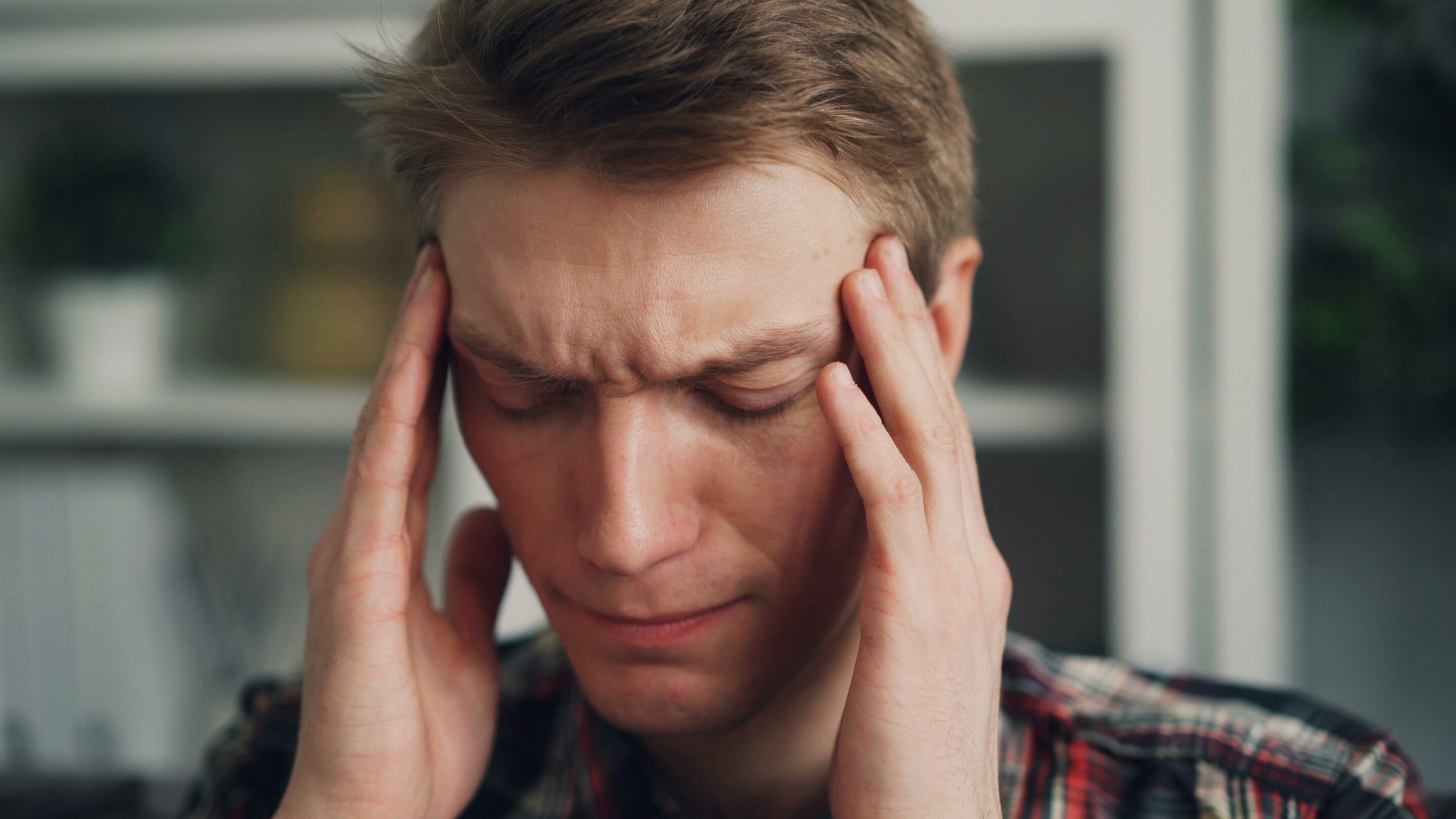
A concussion affects far more than just the head.
While headaches, dizziness, and sensitivity to light are widely recognized symptoms, many people are surprised by the cognitive changes that follow a concussion. Tasks that once felt effortless can suddenly require significant concentration. Work becomes more challenging, conversations feel mentally draining, and maintaining focus throughout the day may seem impossible.
This experience is commonly described as brain fog.
For some individuals, brain fog becomes one of the most frustrating parts of concussion recovery because it affects nearly every aspect of daily life. Understanding why these symptoms occur can make recovery feel less confusing and provide reassurance that the brain is responding to a temporary disruption rather than permanent damage.
Why Concussions Affect Thinking and Concentration
A concussion is a mild traumatic brain injury that temporarily alters how the brain functions. Immediately following an injury, the brain experiences a cascade of physiological changes. Brain cells communicate less efficiently, energy production becomes disrupted, and normal processing demands suddenly require greater effort.
As a result, activities that rely on attention, memory, decision-making, and concentration often become more difficult. Many people describe symptoms such as:
- Difficulty focusing on tasks
- Slower thinking and processing speed
- Persistent mental fatigue
- Trouble remembering new information
- Difficulty finding the right words
- Reduced attention span
- Feeling easily mentally overwhelmed
- Challenges with multitasking
These symptoms may fluctuate throughout the day and often worsen when cognitive demands increase.
The Brain’s Temporary Energy Crisis
One of the leading explanations for post-concussion brain fog involves changes in how the brain produces and uses energy. Following a concussion, the brain enters a period where it requires additional energy to support recovery. At the same time, its ability to generate that energy becomes less efficient. This creates an energy mismatch that can affect cognitive performance.
An easy way to understand this process is to imagine a smartphone running multiple applications while operating on a low battery. The device still functions, but performance slows and resources become limited. The recovering brain faces a similar challenge. Activities such as reading, studying, attending meetings, driving, or participating in lengthy conversations may require significantly more effort than they did before the injury.
Why Fatigue Often Accompanies Brain Fog
Mental fatigue is one of the hallmark symptoms of concussion recovery. Unlike ordinary tiredness, post-concussion fatigue often persists despite adequate sleep and rest. Many individuals describe feeling mentally drained after activities that would previously have seemed routine.
Common triggers include:
- Extended screen time (phones, computers, TV)
- Heavy work responsibilities
- Intensive studying or reading
- Navigating traffic while driving
- Busy social gatherings
- Demanding problem-solving tasks
- Highly stimulating, busy environments
Because the brain is working harder to process information, cognitive energy can be depleted more quickly throughout the day. Many people notice they feel relatively well in the morning but experience increasing fatigue, headaches, or concentration difficulties as the day progresses.
Sensory Overload and Cognitive Exhaustion
The brain’s ability to filter and organize sensory information may also be affected following a concussion. As a result, environments that once felt manageable can suddenly become overwhelming.
Common environmental triggers include:
- Bright fluorescent lights or sunlight glare
- Loud, sharp, or unpredictable noises
- Crowded spaces like grocery stores or transit hubs
- Multiple cross-conversations happening simultaneously
- Long periods of continuous screen use
For someone recovering from a concussion, a busy grocery store or a crowded office can place significant demands on an already stressed nervous system. When this occurs, symptoms such as brain fog, headaches, dizziness, and fatigue often intensify.
Common Cognitive Symptoms Following a Concussion
Brain fog rarely exists in isolation. Many individuals experience a combination of symptoms that affect mental performance and daily function.
| Symptom Category | Common Presentations |
| Memory Difficulties | Short-term challenges, forgetting appointments, losing track of conversations, struggling to retain new details. |
| Slower Processing Speed | Tasks that previously required minutes take much longer; information feels difficult to absorb and organize. |
| Difficulty Finding Words | Knowing exactly what you want to say but struggling to retrieve the precise words during conversation. |
| Reduced Mental Endurance | Inability to concentrate for extended periods; reading or meetings become exhausting much sooner than expected. |
| Difficulty Multitasking | Managing several tasks simultaneously becomes overwhelming as processing capacity is temporarily reduced. |
The Importance of Avoiding the Boom-and-Bust Cycle
One of the most common obstacles during concussion recovery is returning to normal activities too quickly. As symptoms begin to improve, it can be tempting to resume work, exercise, social activities, and screen time at pre-injury levels. Unfortunately, this often leads to symptom flare-ups that can prolong recovery.
- Symptoms Temporarily Improve:The baseline lifts.
You begin to feel like your normal self, experiencing a day with minimal headaches or clear mental focus.
- Activity Levels Spike Too Quickly:The boom phase.
Assuming you are fully healed, you jump straight back into full-time work hours, long workouts, or prolonged screen tasks.
- Brain Fog and Fatigue Forcefully Return:The bust phase.
The cognitive energy mismatch catches up to you, causing an intense return of neurological symptoms and physical exhaustion.
- Extended Rest Becomes Mandatory:The recovery stall.
You are forced to take several days off from all activity, which causes your rehabilitation progress to temporarily stall.
The Pacing Strategy: Recovery is often more successful when activity levels increase gradually and consistently rather than through sudden bursts of effort. Pacing your energy output prevents your brain from hitting a structural low battery state.
When Should Professional Assessment Be Considered?
Many concussions improve within several weeks. However, ongoing symptoms should not be ignored. Professional concussion assessment at Vital Performance Care may be beneficial when symptoms include:
- Persistent, unchanging brain fog
- Difficulty concentrating during routine tasks
- Ongoing fatigue that rest does not fix
- Challenges returning to your normal work or school schedule
- Persistent, recurring headaches
- Dizziness, lightheadedness, or balance problems
- Symptoms that predictably worsen as soon as you try to be active
Early intervention can help identify barriers to recovery and provide strategies that support a more efficient return to normal activities.
Recovery Is About More Than Rest
Brain fog can make individuals feel disconnected from their normal routines, responsibilities, and sense of self. Fortunately, these symptoms are often temporary and respond well to a structured rehabilitation approach.
Recovery is rarely about waiting for symptoms to disappear on their own. It involves understanding the factors contributing to ongoing symptoms and progressively rebuilding physical, cognitive, and emotional resilience. With appropriate assessment and treatment, most individuals can return to work, school, exercise, and daily activities with confidence.
Seeking Concussion Rehabilitation in Calgary
Persistent brain fog, fatigue, headaches, and concentration difficulties can significantly affect quality of life. A comprehensive concussion assessment can help identify the underlying contributors to these symptoms and guide an individualized rehabilitation plan.
At Vital Performance Care in Calgary, concussion rehabilitation programs are designed to address the physical, cognitive, visual, vestibular, and cervical factors that commonly influence recovery, helping individuals return to the activities that matter most.
View our manual therapists who offer concussion assessments, HERE.
Book in for a concussion assessment HERE.