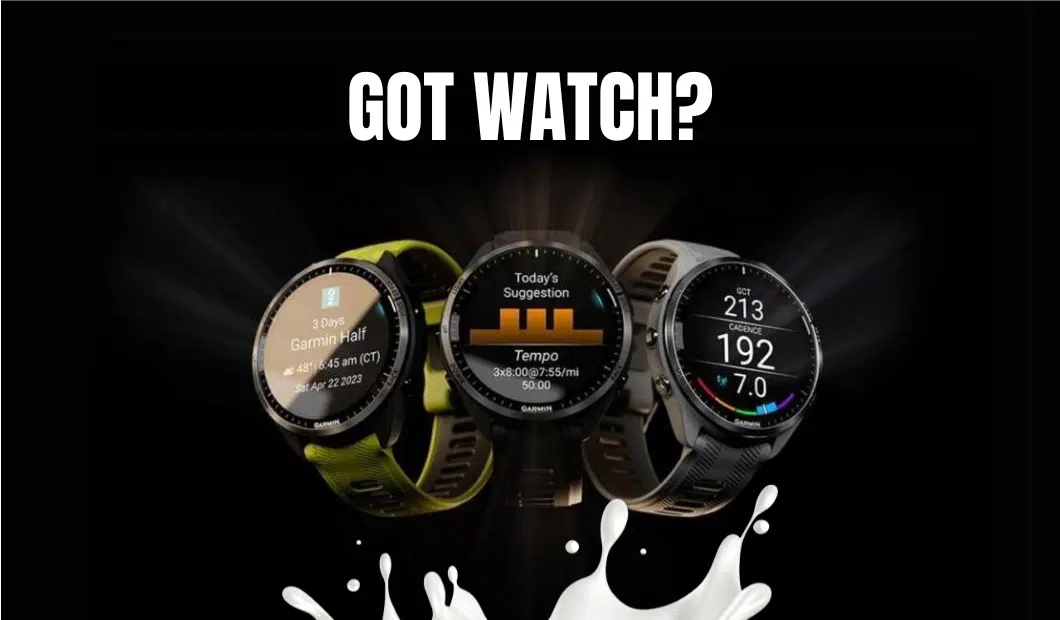
Which smartwatch should I buy in 2025 to get the most out of my endurance training?

Rick Canning

Pain Flare-Ups Don't Mean You're Getting Worse

Which smartwatch should I buy in 2025 to get the most out of my endurance training?


What watch do I need to buy to get the most out of my endurance training?

As a coach this is a question that I get asked a lot by my athletes, and my answer is always more along the lines of "Well it depends"...

There are a few different questions to ask yourself when you are starting to look for a watch.

  1. What is my budget? Can I afford a watch right now?
  2. Does it integrate fully with Training Peaks? (Training Peaks is the most common and best coaching software for endurance athletes)
  3. What metrics are important for me to get from the watch?
  4. How long of a battery life do I need for my training/race/adventures?
  5. How good is the GPS Accuracy?
  6. What features are on my nice-to-have list?

After reading this blog, if you still need help with your training, injury rehab, or performance, reach out to us at Vital Performance Care HERE. Let’s dive in.


Budget


First of all, let me say that you can absolutely start out with your endurance training without having to make the investment in a specific watch for your training. Most athletes will have a smartphone which can be used to give us coaches all of the info we need to assess how your training is going. You can do this by simply downloading one for the watch companies apps like Garmin, Suunto , Coros or Polar etc. for free and they have a function which allows you to record your activity. These apps will sync to the platform Training Peaks which we use to coach you. So if you can’t afford a watch then don’t stress about it! Going this route won’t give you all the fancy integrations with training peaks where your workouts show up pre-programmed on your watch but it will get the job done.

You may also be able to use the watch you already have. Training Peaks just announced a new integration with apple watch which you can read about here:

The Apple Watch is a great option if this is a watch you all ready own and it integrates fully with Training Peaks. The battery for the Apple Series 9 watch is around 18hrs with regular use including 45-90 min of GPS activity tracking so this is great for everyday training...BUT you will have to charge your watch everyday and it would not be suitable for longer distance events.

It should be noted that the Apple Watch does not support workout integration with Training Peaks when workouts are prescribed with RPE (rated perceived exertion, how a lot of training tends to be prescribed or adjusted). This is the way we prescribed workouts a lot of the time, so you would not have this functionality, which means that your planned workout would not show up in your watch for you to do. This doesn’t mean you can’t do it and record it for your coaches to see, it just means that you have to time your own intervals and workouts etc. it is not done automatically for you.
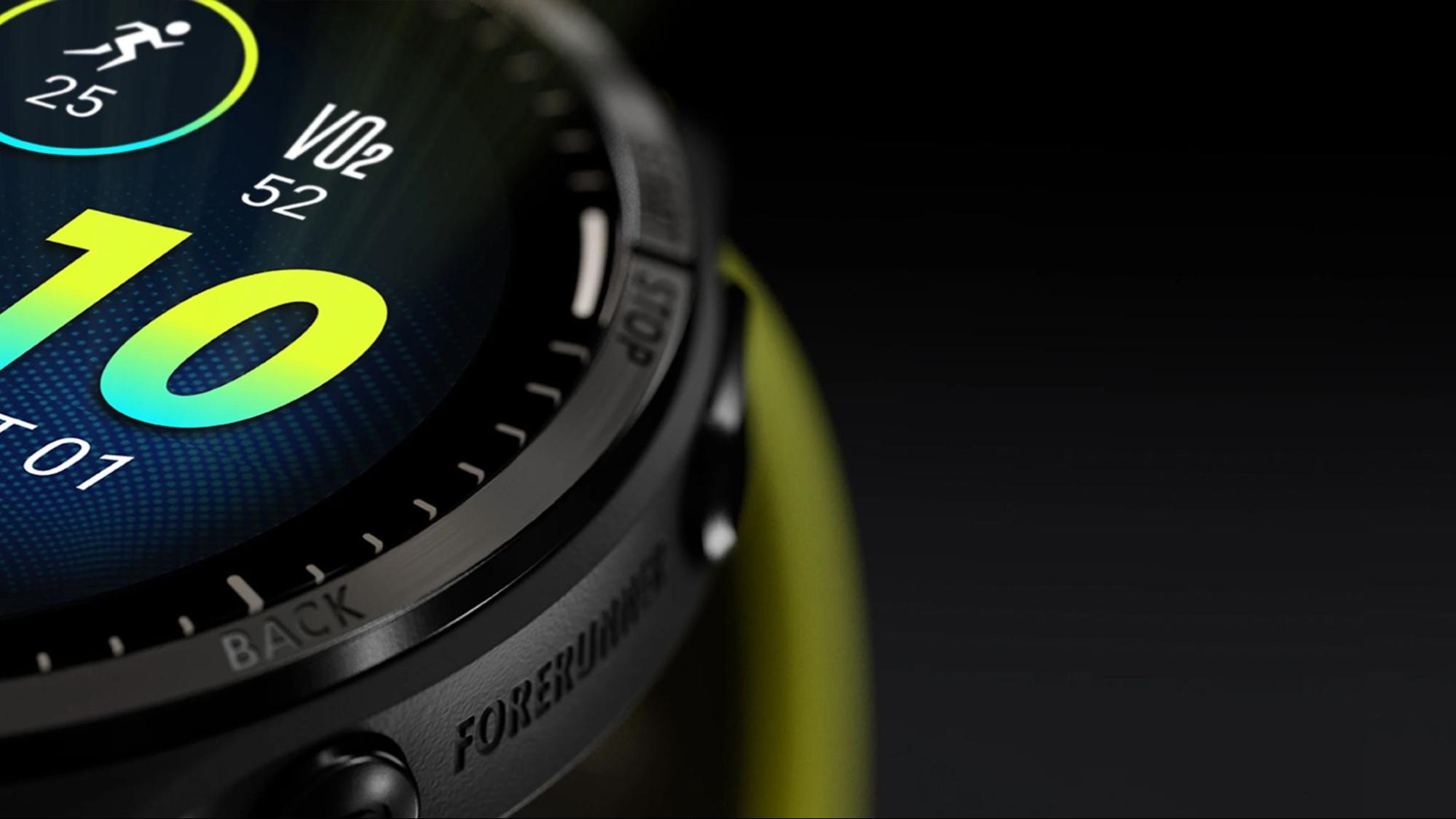
Does it integrate with Training Peaks?


Training Peaks is the platform that we use at Vital. To get the most out of your training you will want to have a watch which integrates fully with this platform allowing structured workouts to be seamlessly sent to your watch for you to use and for all of your training data to be sent to us to analyze.

Training Peaks supports a variety of watch brands including Garmin, Suunto, Polar and Coros. You will want to start your search looking into these different brands of watches. From there it is going to come down to your preference of features, the brand-specific user interface and the battery life which you require.


What Metrics does my coach need?


Most watches these days will come with all of the things that we as coaches would be interested in seeing like your pace/speed, heart rate cadence and power (for cycling). So as long as your watch has these things and reasonably accurate GPS then you are good to go, The rest is all bells and whistles.

At the time of writing this other metrics like HRV, training readiness, sleep etc. that are tracked by these smart watches are not all that useful mostly due to the fact that the way these watches calculate these things are hidden behind proprietary walls and they have been found to be not all that reliable in terms of determining your training readiness. Don’t feel like you need to spend more money on a watch to get these extra things.


Battery Life


How much battery life do you need in a watch? That is going to depend entirely on what you intend on using it for. You probably don’t need a top of the line watch with 80 hrs of GPS monitoring battery life to run your half marathon or marathon, but the longer battery life will come in handy if you are planning on doing 100 mile ultras or full distance ironmans.

The lower end of 20 hours of GPS tracking will do just fine for most events. One thing to consider is a longer battery life means you will have to charge your watch less throughout the week.


GPS Accuracy


Most watches out there are relatively accurate and will come with the option to enable two types of GPS at the same time for better accuracy like GPS and GLONASS.

The gold standard out there right now is to have two types of GPS systems like GPS and GLONASS combined with Dual Band. This allows for better accuracy when it comes to GPS tracking around high rise buildings and cliff faces etc.

The key thing when you are setting up your watch is that you set things up to have the most accurate GPS tracking with the shortest recording interval possible. This ensures that your coach is getting the most accurate data as most watches will have different GPS accuracy settings which you can adjust to increase battery life.


What Features are on the “Nice-to-have” list?


For trail running some nice-to-have features include:

  • Barometer for elevation tracking during activities
  • Colored maps for navigation
  • "Find back" button in case you get lost you can retrace your steps

For triathlon you're going to want to make sure that there is a multi-sport mode so you can switch sport types during your race with ease.

Other than that it is really up to you to decide what kind of display that you want, the look and size of the watch and anything else that you think would be suitable. Some individuals like the smaller, more minimalist look of the Coros watches and others like the maximalist look of some of the Garmin watches, for example.

One thing of note is that no matter what type of watch that you purchase if it comes with wrist based heart rate tracking that is not going to be accurate enough for running, so you are going to need to purchase a heart rate monitor chest strap or arm band to go with your watch to get the most out of your training.


What Features are on the “Must have” list?


For most endurance sports, the “must haves” are:

  • Accurate GPS monitoring for accurate capturing of the outdoor distance
  • As endurance coaches, we think a chest strap for more accurate heart rate monitoring is on the MUST list. If you want to train properly, this starts with accurate data collection, and wrist heart rate monitoring is just not accurate, and often involves daily charging
  • A watch that displays the time so you know how long you’ve been ‘out there’! Thankfully, most watches have this feature!

Watch Comparison


Here are some charts to compare low, mid and high end watches from three prominent manufacturers. This is not an all inclusive list as there are some watches and manufactures not included.


Lower End Watches <$400

Watch Cost Battery LIfe (GPS Recording time) GPS
Garmin Forerunner 55 $269.99 20 hrs GPS, GLONASS, GALLIEO
Coros Pace 3 $329.00 38 hrs GPS, QZSS
Coros Pace Pro $349.00 38 hrs GPS, QZSS
Suunto N/A N/A N/A

Mid Range Watches <$700

Watch Cost Battery LIfe (GPS Recording time) GPS
Coros Apex 2/2 $499.00 Up to 60 hrs (25 hrs max accuracy) GPS, GLONASS, Galileo, Beidou, QZSS
Suunto Race S $499.00 Up to 120 hrs (30 hrs max accuracy) GPS, GLONASS, GALILEO, QZSS, BEIDOU
Garmin Forerunner 265 $599.99 Up to 20 hrs (14 hrs max accuracy) GPS, GLONASS, GALLIEO + DUAL BAND
Suunto Race $619.00 Up to 120 hrs (40 hrs max accuracy) GPS, GLONASS, GALILEO, QZSS, BEIDOU
Suunto 9 Peak Pro $699.99 (sale $509) 21 days (40 hrs in GPS use) GPS, GLONASS, GALILEO, QZSS, BEIDOU

High End Watches >$700

Watch Cost Battery LIfe (GPS Recording time) GPS
Garmin Forerunner 965 $799.99 Up to 31 hrs (19 hrs max accuracy) GPS, GLONASS, GALLIEO + DUAL BAND
Suunto Vertical $849.00 Up to 500 hrs (60 hrs max accuracy) GPS, GLONASS, GALILEO, QZSS, BEIDOU
Coros Vertix 2s $949.00 Up to 118 hrs (73 hrs max accuracy) GPS, GLONASS, Galileo, Beidou, QZSS
Garmin Fenix 8 $1479.99 Up to 16 days in smartwatch mode Multiband GPS

Final Thoughts


There are a lot of watches to choose from. Something to consider is that having a more expensive watch is not required for you to train and race to your full potential. Consider the demands of the event that you are training for and select a watch that will meet those demands. Try not to get swept up in the noise of all the bells and whistles that are out there that monitor your training readiness etc. rely more on your own daily observations to make sound judgment on how you are actually feeling.


Needing more help? Reach out for some free advice HERE.

 

More About The Author

More About The Author

Rick Canning


Since 2015, Rick has provided science-based endurance coaching for athletes of all levels, specializing in trail running and ultra distances. With a background in engineering and certifications in marathon and ultra running, he brings a practical approach to helping athletes tackle ambitious goals, from personal bests to podium finishes. Rick has coached runners, cyclists, and triathletes, with notable successes like a 100% finish rate at the Capes 100 and guiding an athlete to complete the UTMB 160k. His philosophy emphasizes curiosity and sustainable training that fits into athletes' lives, prioritizing their happiness.

Introduction

"Oh, it's just part of getting older."

Cool, cool, cool. Except your shoulder used to work fine. You used to jump out of bed. You weren't rehabbing a new injury every other week. So no, this isn't just a normal part of aging, and it doesn't have to be something you just accept.

There's actually a clinical name for it: the musculoskeletal syndrome of menopause. It's our understanding of how the hormonal changes of perimenopause and menopause affect the musculoskeletal system, and how hormone therapy can be used to help treat these symptoms as part of a holistic approach to rehabilitation.

The same hormonal changes that cause our hot flashes, disrupted sleep, and make us not feel like ourselves are also directly impacting the tissue that lets you move: how your muscles repair themselves, how your joints handle load, how your tendons hold up over time, and how your bones maintain their density and strength.

This article breaks down what's actually happening in your body during perimenopause and menopause, why declining estrogen hits your musculoskeletal system so hard, and how a collaborative approach between hormone therapy and rehabilitation can improve your quality of life.

Not sure if hormones are behind your aches and pains?

A hormonal health consult with Pause Health can tell you whether hormonal changes may be part of the picture, and whether hormone therapy is appropriate for you. A movement assessment with Vital Performance Care tells you what's actually happening with your strength, mobility, and joints. The real answer often needs both.

Book a Hormone Consult with Pause Health

Book a Clinical Musculoskeletal Assessment with a Chiropractor or Physiotherapist at Vital Performance Care


What Is the Musculoskeletal Syndrome of Menopause?

The term was formally introduced in 2024 by orthopedic surgeon Dr. Vonda Wright and colleagues, in a review published in the journal Climacteric (Wright et al., 2024). It covers the cluster of musculoskeletal symptoms that show up as estrogen declines during perimenopause and menopause:

5 common symptoms of menopause

"Common doesn't mean normal, and it doesn't mean untreatable."


Why This Gets Missed

40% of women menopause

Imaging isn't always helpful here, and a normal scan doesn't mean nothing's wrong. It usually means a single joint in isolation isn't the whole story.

If you're in midlife dealing with shoulder pain, recurring tendon issues, stiffness, or a real drop in strength, the useful question isn't just "what's wrong with this joint." It's what else has changed:

menopause checklist


All of it can be part of the same picture, and all of it is worth bringing up with your provider.

It's Not Only a Post-Menopause Problem

These changes often don't wait for your final period to show up. For a lot of women, this starts in perimenopause, while hormones are still fluctuating rather than non-existent. New stiffness, more frequent tendon flare-ups, muscle that's harder to maintain, an injury that seems to have come out of nowhere — these can all start years before menopause or the one-year anniversary of your last menstrual period.

menopause symptoms

That doesn't automatically mean hormones are the cause, but when it's happening alongside other perimenopause symptoms, it is worth considering the connection. Waiting until you're fully postmenopausal to start paying attention also means missing a window where building strength and addressing risk factors is a lot easier than trying to recover ground later.

How Estrogen, Progesterone, and Testosterone Affect Your Joints, Muscles, and Bones

Your musculoskeletal system is more hormone-sensitive than most people realize. Estrogen, progesterone, and testosterone receptors exist throughout your muscles, tendons, ligaments, cartilage, and bone. When those hormone levels shift, so does the health of every one of those tissues.

menopause list


Estrogen: The Primary Driver

Estrogen plays several distinct roles that matter for your joints and muscles:

1) Muscle repair and growth.

Estrogen supports the satellite cells responsible for repairing and building skeletal muscle. As estrogen declines, muscle protein synthesis becomes less efficient, contributing to the accelerated loss of muscle mass and strength seen after menopause (Critchlow et al., 2023; Hansen, 2018).

2) Inflammation control.

Estrogen has anti-inflammatory effects on muscle and connective tissue. Lower estrogen is associated with higher baseline inflammation, which can show up as generalized aches, tendon irritation, and slower recovery from exercise.

3) Bone density.

Estrogen slows the rate of bone breakdown. Its decline is the single biggest driver of the rapid bone loss that happens around the final menstrual period, which is why osteoporosis risk climbs so sharply in this window (Karlamangla et al., 2021).

4) Collagen and connective tissue.

Estrogen supports collagen production in tendons, ligaments, and cartilage. Research measuring tendon tissue directly has found that postmenopausal women on estrogen therapy have higher tendon collagen synthesis rates than those who aren't (Hansen, 2018), meaning their tendons are literally better equipped for ongoing repair. This is part of why frozen shoulder and tendon injuries become more common in this stage.

Progesterone: An Underexplored but Meaningful Role

Progesterone gets far less research attention than estrogen when it comes to musculoskeletal health, but it isn't inactive. It has a calming effect on the nervous system that influences sleep quality and pain perception, and both poor sleep and heightened pain sensitivity make other MSK symptoms feel worse. That alone makes progesterone relevant to how you feel day to day.

There's also emerging research on progesterone's more direct role in connective tissue. Progesterone receptors have been identified in tendon tissue, and some research suggests progesterone may support collagen synthesis rates in muscle in postmenopausal women (Hansen, 2018). At the same time, animal studies have shown progesterone can increase the expression of relaxin receptors in ligaments and tendons, which theoretically could make tissue more responsive to joint-loosening effects, though this evidence is largely limited to rodent models rather than human studies. Put simply, the current research suggests progesterone has a mixed, tissue-dependent effect, and the science is still catching up to what's seen clinically.

What is well established is that progesterone works alongside estrogen rather than independently, and has anti-inflammatory properties of its own. So as progesterone declines during perimenopause, you're losing more than estrogen's protective effects — you're also losing progesterone's contribution to sleep, pain modulation, and inflammation control.

Testosterone: Relevant Beyond Libido

Testosterone is routinely mislabeled as a "male hormone," but women produce it throughout their lives and actually have more testosterone than estrogen, with levels declining gradually with age, often starting well before menopause itself.

Its best-established, evidence-based clinical use in women remains the treatment of low sexual desire (Davis et al., 2019). But that's not the whole picture. A 2023 systematic review of observational studies examining endogenous testosterone levels found associations between testosterone concentrations and muscle mass, strength, and physical performance in women (Taylor et al., 2023) — an area of research that has historically been underexplored. Testosterone contributes to muscle protein synthesis and strength, plus it's a motivation hormone, motivation to get up and go, to move, all of which are directly relevant to musculoskeletal health.

"If training effort has stayed consistent but the results haven't, testosterone is worth discussing with your provider — not just in the context of libido, but in the context of strength and function."

What You Can Actually Do About It: Hormone Testing, Physiotherapy, and Strength Training in Calgary

The musculoskeletal syndrome of menopause is treatable, and a lot of it is preventable with early intervention. Managing it well usually comes down to two things working together: an accurate picture of your hormones, and a training approach suited to this new hormonal environment.

Start With a Hormone Consultation

A hormone consult can help put your symptoms and hormonal changes into context, including whether testing for estrogen, progesterone, and testosterone is appropriate for you. From there, your care team can use your symptoms, clinical history, and, when appropriate, lab results to guide treatment as you move through perimenopause and into postmenopause.

For women who are good candidates, current clinical guidance supports hormone therapy as a favourable option: for those under 60 or within 10 years of their final period, the benefit-risk balance generally favours symptom relief and bone protection (NAMS 2022 Hormone Therapy Position Statement Advisory Panel, 2022). However, if you are outside of that window, that doesn't necessarily mean you cannot safely take hormone therapy. This is where an individualized consultation is important, to help you understand your unique risk and benefit profile and determine whether hormone therapy is right for you.

Then Build a Body That Can Handle the Transition

Resistance training is one of the most effective tools available here. A 2024 systematic review and meta-analysis found consistent benefits of resistance training on strength, body composition, and physical function in healthy postmenopausal women (González-Gálvez et al., 2024). Strength training does what hormones alone can't:

menopause hormones


Working with a physiotherapist, chiropractor, or strength coach who understands hormone-related musculoskeletal changes makes a real difference here. A generic program built for a 25-year-old's physiology isn't the right fit for a 48-year-old whose estrogen has dropped 40% in two years. Structured, joint-specific rehab — like shoulder, hip, or foot foundation programs — can be especially useful if you're already managing pain or an old injury and need to rebuild strength without aggravating it.

A Team Approach Works Best

Hormone health and musculoskeletal health aren't separate problems; they're the same problem viewed from two angles. That's the premise behind the partnership between Pause Health and Vital Performance Care: Pause Health handles the hormone side — testing, interpretation, and treatment where appropriate — while Vital Performance Care's physiotherapists, chiropractors, and strength coaches handle the movement side, building a program suited to what your body actually needs.

menopause graph


Conclusion

Joint pain, stiffness, muscle loss, and tendon injuries in your 40s and 50s are common. Common doesn't mean normal, and it doesn't mean untreatable. The musculoskeletal syndrome of menopause has a strong hormonal component, and understanding your estrogen, progesterone, and testosterone levels is often a key piece in explaining these changes. Paired with the right strength and rehab program, this is one of the more addressable parts of the menopause transition.

If you're in Calgary and dealing with new aches, stiffness, or strength loss that started around perimenopause, it's worth investigating rather than waiting. Get your hormones tested, get assessed, and build a plan suited to where your body actually is.

Book a Hormone Consult with Pause Health

Book a Clinical Musculoskeletal Assessment with a Chiropractor or Physiotherapist at Vital Performance Care

About the Author

Shelby Sheppard, BN, MN, FNP-C

Shelby Sheppard, BN, MN, FNP-C, is a Nurse Practitioner and the founder of Pause Health (pausehealth.ca), a virtual hormone and sexual health clinic based in Calgary, Alberta. Her practice focuses on hormone health, sexual medicine, and evidence-based menopause care.

Shelby is a community partner of Vital Performance Care, and the practitioners at Vital refer to and rely on Shelby to co-manage complex client cases with.


Pause Health and Menopause Syndrome


References

Critchlow, A. J., Hiam, D., Williams, R., Scott, D., & Lamon, S. (2023). The role of estrogen in female skeletal muscle aging: A systematic review. Maturitas, 178, 107844. https://doi.org/10.1016/j.maturitas.2023.107844

Davis, S. R., Baber, R., Panay, N., Bitzer, J., Cerdas Perez, S., Islam, R. M., Kaunitz, A. M., Kingsberg, S. A., Lambrinoudaki, I., Liu, J., Parish, S. J., Pinkerton, J., Rymer, J., Simon, J. A., Vignozzi, L., & Wierman, M. E. (2019). Global consensus position statement on the use of testosterone therapy for women. Climacteric: The Journal of the International Menopause Society, 22(5), 429–434. https://doi.org/10.1080/13697137.2019.1637079

González-Gálvez, N., Moreno-Torres, J. M., & Vaquero-Cristóbal, R. (2024). Resistance training effects on healthy postmenopausal women: A systematic review with meta-analysis. Climacteric: The Journal of the International Menopause Society, 27(3), 296–304. https://doi.org/10.1080/13697137.2024.2310521

Hansen, M. (2018). Female hormones: Do they influence muscle and tendon protein metabolism? The Proceedings of the Nutrition Society, 77(1), 32–41. https://doi.org/10.1017/S0029665117001951

Karlamangla, A. S., Shieh, A., & Greendale, G. A. (2021). Hormones and bone loss across the menopause transition. Vitamins and Hormones, 115, 401–417. https://doi.org/10.1016/bs.vh.2020.12.016

NAMS 2022 Hormone Therapy Position Statement Advisory Panel. (2022). The 2022 hormone therapy position statement of The North American Menopause Society. Menopause, 29(7), 767–794. https://doi.org/10.1097/GME.0000000000002028

Taylor, S., Islam, R. M., Bell, R. J., Hemachandra, C., & Davis, S. R. (2023). Endogenous testosterone concentrations and muscle mass, strength and performance in women, a systematic review of observational studies. Clinical Endocrinology, 98(4), 587–602. https://doi.org/10.1111/cen.14874

Tehalia, M. K., Agarwal, S., Lalwani, A., & Sharma, S. (2026). Estrogen deficiency in menopause: A major contributor to cartilage degeneration and osteoarthritis: A systematic review and meta-analysis. Journal of Menopausal Medicine, 32(1), 18–29. https://doi.org/10.6118/jmm.25141

Wright, V. J., Schwartzman, J. D., Itinoche, R., & Wittstein, J. (2024). The musculoskeletal syndrome of menopause. Climacteric, 27(5), 466–472. https://doi.org/10.1080/13697137.2024.2380363